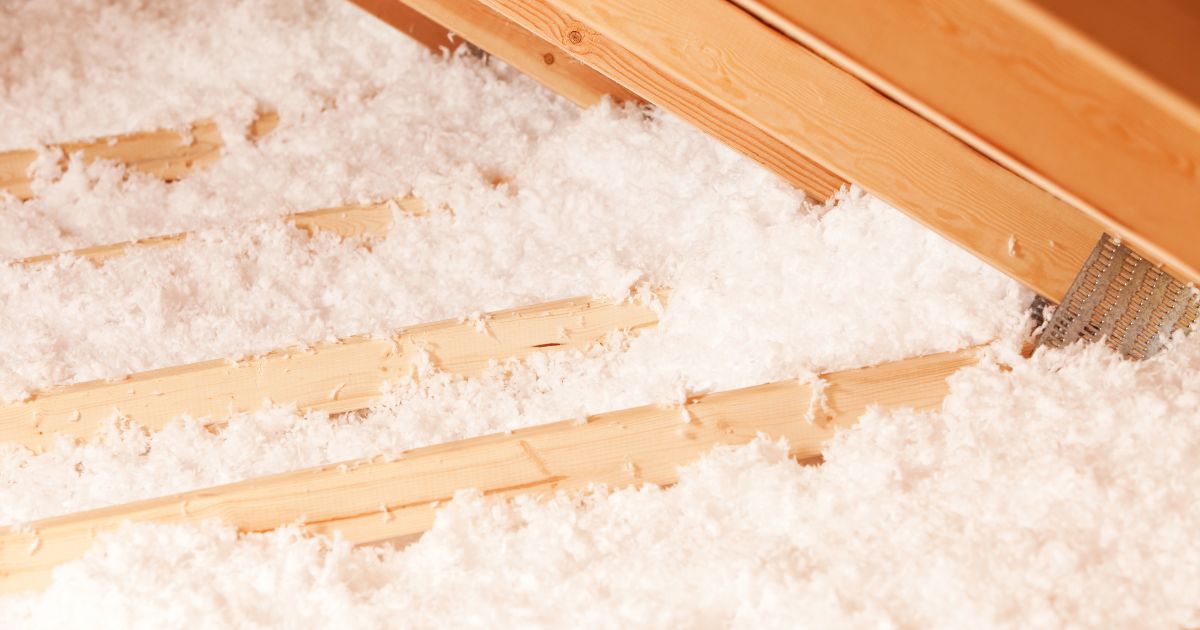
What Is Insulation?
Everything You Need to Know
Understand how insulation works, why it matters, and how the right choice can transform your home’s comfort and energy bills.
📞 FREE ESTIMATE — (253) 691-4439What Is Insulation?
Insulation is a material installed in the walls, attic, floors, and crawl spaces of a building to slow or prevent heat from moving in or out — keeping your home warmer in winter and cooler in summer.
At its core, insulation works by trapping pockets of air (or inert gas) within its structure. Since air is a poor conductor of heat, those tiny pockets act as a barrier that resists thermal energy transfer. This simple principle has been used for centuries — but modern materials have made it far more effective and long-lasting.
Whether you’re building a new home, renovating an existing one, or just trying to lower those monthly utility bills, understanding insulation is the first step toward making smarter decisions for your property.
Thermal Control
Keeps conditioned air inside and harsh outdoor temperatures outside year-round.
Sound Reduction
Many insulation types also dampen sound transmission between rooms and floors.
Moisture Barrier
Certain insulation products resist moisture and mold growth when properly installed.
Fire Resistance
Some insulation materials have inherent fire-retardant properties for added safety.
How Does Insulation Work?
Heat naturally moves from warmer areas to cooler ones — always seeking balance. In winter, heat tries to escape your warm home through walls, ceilings, and floors. In summer, hot outdoor air tries to push its way in. Insulation slows this movement down dramatically.
🌊 The Three Types of Heat Transfer
Insulation combats all three mechanisms of heat loss and gain:
Conduction
Heat traveling through solid materials. Insulation’s structure resists direct contact conduction.
Convection
Heat moving via circulating air or liquid. Dense insulation blocks air movement within cavities.
Radiation
Heat traveling as infrared energy. Reflective insulation and radiant barriers block radiant heat.
📊 Understanding R-Values
The effectiveness of insulation is measured by its R-value — “R” standing for thermal Resistance. The higher the R-value, the better the insulation performs. R-values are cumulative: adding multiple layers increases total resistance.
| Location in Home | Recommended R-Value | Priority Level |
|---|---|---|
| Attic / Roof | R-38 to R-60 | 🔴 Highest |
| Exterior Walls | R-13 to R-21 | 🟠 High |
| Floor / Crawl Space | R-19 to R-30 | 🟡 Medium-High |
| Basement Walls | R-10 to R-19 | 🟡 Medium |
| Interior Walls (Sound) | R-11 to R-13 | 🟢 Optional |
Types of Insulation
Not all insulation is created equal. Different applications call for different materials. Here are the most common types used in residential and commercial buildings today:
Small particles of cellulose, fiberglass, or mineral wool blown in with a machine. Excellent at filling irregular spaces and gaps.
- R-value: R-2.2 to R-3.8 per inch
- Eco-friendly options available
- Fast professional installation
Expands on contact to fill every crack and gap. Available in open-cell (soft) and closed-cell (rigid, moisture-resistant) varieties.
- Closed-cell R-value: ~R-6 per inch
- Doubles as an air/vapor barrier
- Highest performance option
Pre-cut fiberglass or mineral wool batts designed to fit standard stud spacing. The most widely used residential insulation.
- R-value: R-3 to R-4.3 per inch
- Cost-effective for open walls
- DIY or professional install
Panels of polystyrene (EPS/XPS) or polyisocyanurate offering excellent moisture resistance and high R-value per inch.
- R-value: R-3.8 to R-6.5 per inch
- Moisture-resistant by design
- Structural rigidity benefits
Made from volcanic rock or steel slag. Naturally fire-resistant, excellent acoustic performance, and water-repellent.
- R-value: R-3 to R-3.3 per inch
- Fire resistant up to 1,400°F
- Superior sound control
Made from recycled newsprint treated with borate for fire and pest resistance. One of the most sustainable insulation options.
- R-value: R-3.2 to R-3.8 per inch
- Up to 85% recycled content
- Excellent for existing homes
Benefits of Proper Insulation
Investing in quality insulation delivers returns that go far beyond just staying warm. Here’s why homeowners across the Pacific Northwest are making insulation a top priority:
-
✓Lower Energy Bills
Heating and cooling account for 50–70% of energy use in the average home. Proper insulation can reduce those costs by up to 40%, paying for itself over time.
-
✓Year-Round Comfort
No more hot spots in summer or drafty rooms in winter. Insulation creates consistent, even temperatures throughout your entire home.
-
✓Improved Indoor Air Quality
By sealing gaps where outside air infiltrates, insulation reduces dust, pollen, pollutants, and moisture from entering your living spaces.
-
✓Soundproofing
Dense insulation materials absorb sound waves, reducing noise from outside traffic, neighbors, or between floors and rooms in your home.
-
✓Increased Home Value
Energy-efficient homes command higher prices on the market. Updated insulation is a selling point that appeals to modern, cost-conscious buyers.
-
✓Reduced Carbon Footprint
Using less energy means burning fewer fossil fuels and emitting less CO₂. A well-insulated home is a more sustainable home.
-
✓Moisture & Mold Prevention
Certain insulation materials combined with proper vapor barriers help prevent condensation, mold growth, and structural damage from moisture.
Where Should You Insulate?
The greatest energy losses in a typical home occur at specific weak points. Targeting these areas first gives you the best return on your investment.
🏠 Attic — Your #1 Priority
Heat rises, and a poorly insulated attic is like leaving a window open all year. The attic is where most homes lose the most energy — and where adding insulation delivers the highest immediate savings. Aim for R-38 to R-60 in cold climates.
🧱 Exterior Walls
Walls are the largest surface area of your home’s thermal envelope. In older homes, wall cavities are often empty or have settled, degraded insulation. Blown-in insulation can be added through small holes without major renovation.
🏗️ Crawl Spaces & Basement
Cold floors, high humidity, and pest intrusion often trace back to uninsulated or poorly sealed crawl spaces. Encapsulating and insulating your crawl space can dramatically improve comfort on main living floors and protect structural wood from moisture damage.
🚪 Rim Joists & Band Joists
These often-overlooked areas where the floor framing meets the foundation walls are notorious air-leak locations. Spray foam is the gold standard here for simultaneous insulation and air sealing.
💨 Air Sealing — The Hidden Partner
Insulation performs best when combined with proper air sealing. Gaps around plumbing, electrical penetrations, attic hatches, and recessed lights can undermine even the best insulation. Always seal before you insulate.
Signs Your Home Needs New Insulation
Your home gives off clear signals when its insulation is failing or insufficient. Watch out for these warning signs:
High Energy Bills
If your heating and cooling costs are rising without a clear reason, poor insulation is often the culprit.
Drafts & Cold Spots
Feeling cold even with the heat running, or noticing temperature differences room to room, signals insulation gaps.
Frozen Pipes
Pipes in walls or crawl spaces that freeze indicate those areas lack adequate insulation and air sealing.
Ice Dams on Roof
Ice dams form when heat escaping through the attic melts snow unevenly — a classic sign of insufficient attic insulation.
Pests & Insects
Rodents and insects often nest in degraded or damaged insulation, reducing its effectiveness further.
Mold or Moisture
Visible mold, musty smells, or condensation on walls can indicate that insulation has been compromised by water.
Frequently Asked Questions
Still have questions? Here are the answers our customers ask most often:
How long does insulation last?
Most insulation materials — including fiberglass batts and cellulose — have a lifespan of 80–100 years under normal conditions. However, moisture damage, pest infestations, or physical disturbance can degrade insulation much sooner. Spray foam, when properly applied, can last the lifetime of the building. Regular inspections every 10–15 years are recommended.
Can I add insulation over existing insulation?
Yes — in most cases you can add insulation on top of existing material, particularly in attics. The key is ensuring the existing insulation is dry, undamaged, and free of mold. Adding blown-in cellulose or fiberglass over old batts is a common and cost-effective upgrade. A professional assessment will confirm the best approach for your home.
What is the difference between open-cell and closed-cell spray foam?
Open-cell spray foam is softer, less dense, and more affordable — ideal for interior walls and soundproofing. Closed-cell spray foam is denser, rigid, and acts as both an insulator and a moisture/vapor barrier. It has a higher R-value per inch (around R-6) and is typically used in crawl spaces, basements, and exterior applications where moisture resistance is critical.
Is insulation a DIY project or should I hire a professional?
Basic batt insulation in accessible areas can be a DIY project for handy homeowners. However, spray foam, blown-in insulation, and crawl space work require professional equipment and expertise to achieve proper coverage, air sealing, and safety. Improper installation can actually trap moisture and create bigger problems. For best results and warranty coverage, professional installation is strongly recommended.
How much can I save on energy bills after insulating?
According to the U.S. Department of Energy, homeowners can save up to 15% on heating and cooling costs (about 11% of total energy costs) by air sealing and adding insulation to attics, floors, and crawl spaces. In older, under-insulated homes in the Pacific Northwest, savings can be significantly higher — sometimes 30–40% — depending on existing conditions and the scope of work.
Are there rebates or tax credits for insulation upgrades?
Yes! The Inflation Reduction Act includes federal tax credits for energy efficiency upgrades, including insulation. Homeowners may qualify for up to 30% of the cost (up to $1,200/year) for insulation materials. Many utility companies in Washington State also offer rebates. Ask your More Insulation estimator about current programs when you request your free quote.
READY TO UPGRADE YOUR INSULATION?
Our expert team at More Insulation is ready to assess your home and recommend the perfect solution — at no cost to you. Serving the Greater Tacoma area and beyond.
📞 GET MY FREE ESTIMATE (253) 691-4439